




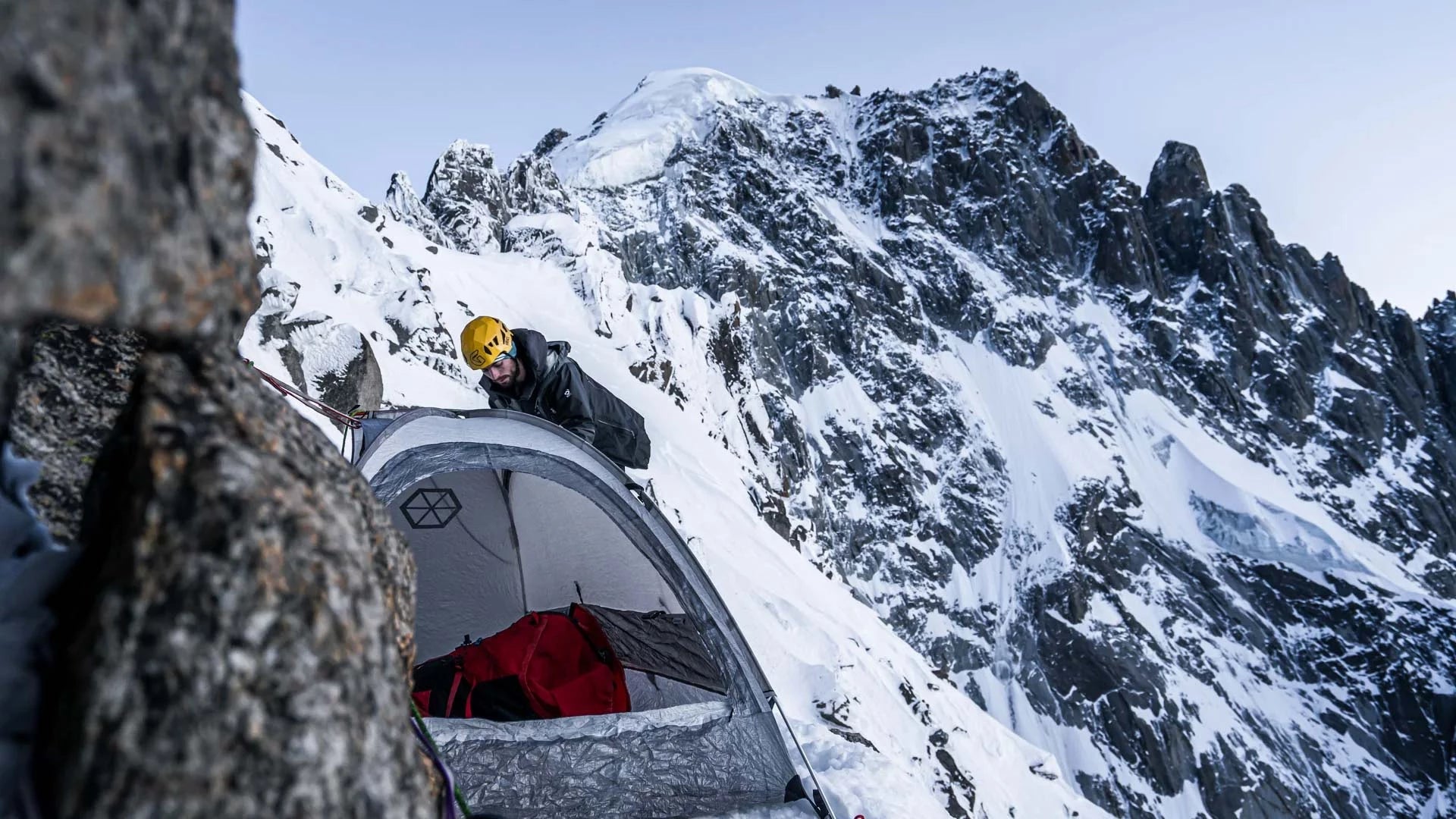


The lifeblood of any mountain day is water. Crystal-clear snowmelt may seem to flow around every corner, but running out of water can quickly turn a great day into a sufferfest. Your climbing performance drops, dehydration creeps in, and before long you're questioning your objective.
While streams and snow are common in the alpine, finding a reliable water source when you actually need one isn't always easy. And drinking from a sketchy creek might earn you an unwanted upset stomach or a memorable bout of giardia.
Have your water system dialled. Carry enough capacity for the route, know how you'll refill along the way, and always have a reliable way to purify your water.
Why Does Water Need to Be Purified?
Alpine water can range from the finest, crystal-clear mineral water you could order in a restaurant to a source contaminated with unseen hazards. The challenge is that a simple visual check isn't enough; you literally don't know who or what pooped upstream.
When purifying drinking water in the backcountry, the main goal is to remove harmful microorganisms, especially bacteria and protozoa like Giardia, as well as sediment that can affect water quality. As a general rule, the more remote the alpine environment, the less of a concern viruses and contaminants are.
Water Purification Options
| Treatment Method | Sediment | Bacteria | Protozoa | Viruses | Chemicals |
|---|---|---|---|---|---|
| Squeeze filter | Yes | Yes | Yes | No | No |
| Chemical treatment | No | Yes | Yes | Yes | No |
| UV purifier | No | Yes | Yes | Yes | No |
| Boiling | No | Yes | Yes | Yes | No |
| Activated carbon filter | Some | No | No | No | Some |

Squeeze Filters
Squeeze filters use a physical barrier to remove contaminants from water. They work by forcing dirty water through a tiny hollow-fibre membrane that acts like a microscopic sieve.
They remove: Bacteria, protozoa (including Giardia and Cryptosporidium), sediment and small particles.
They do not remove: Viruses, chemicals, heavy metals or dissolved pollutants.
Pros: Lightweight: often 50–100 g. Fast: drink directly from the filter or fill bottles quickly. Simple: no batteries, fuel or chemicals required. Reliable: ideal for streams, lakes and alpine meltwater.
Cons: Watch out for freezing. Once water has been inside the filter, if ice crystals form, they can damage the membrane and create invisible gaps that allow contaminants through. In cold conditions, keep your filter close to your body and inside your sleeping bag at night.
For most alpine climbers, a squeeze filter paired with a small chemical backup is one of the lightest and most reliable water systems available.
Chemical Treatment
Chemical treatments use disinfecting agents to neutralize harmful microorganisms in water. Unlike filters, they don't physically remove contaminants; instead, they use chemicals such as chlorine dioxide or iodine to kill or deactivate bacteria, protozoa and viruses, making the water safe to drink.
They kill/deactivate: Bacteria, protozoa (including Giardia) and viruses.
They do not remove: Sediment, dirt, chemicals, heavy metals or dissolved pollutants.
Pros: Lightweight: often only a few grams. Compact: takes up almost no space in your pack. Reliable: no moving parts, batteries or filters to clog or freeze. Cold-weather friendly: chemical treatments cannot be damaged by freezing temperatures. Effective: provides broad protection against microorganisms, including viruses that most filters cannot remove.
Cons: Slow: requires waiting time before drinking. Taste: some treatments can leave a noticeable chemical taste. Does not remove debris: cloudy or dirty water should be filtered or allowed to settle first. Requires planning: not ideal when you need water immediately during a hard alpine push.
For most alpine climbers, chemical treatment is best used as a lightweight backup system alongside a squeeze filter. It is especially valuable on remote routes, cold-weather missions, or as an emergency option if your primary filter freezes or fails.
UV Purifiers
UV purifiers use ultraviolet light to neutralize harmful microorganisms in water. They work by exposing water to UV-C light, which disrupts the DNA of bacteria, protozoa and viruses, preventing them from reproducing and making them unable to cause illness. Unlike filters, UV purifiers do not remove contaminants; they disinfect the water.
- Katadyn Steripen UV Water Purifier Ultralight — Coming Soon
They kill/deactivate: Bacteria, protozoa (including Giardia and Cryptosporidium) and viruses.
They do not remove: Sediment, dirt, chemicals, heavy metals or dissolved pollutants.
Pros: Fast: treats water in seconds to minutes, depending on volume. Effective: provides protection against bacteria, protozoa and viruses that many filters cannot remove. No chemicals: does not leave a chemical taste or require replacement cartridges. Simple: easy to use with clear water sources. Lightweight: compact and practical for basecamp, hut trips and some alpine missions.

Cons: Requires batteries: a dead battery means no treatment, so power management is important. Needs clear water: sediment and cloudy water can block UV light and reduce effectiveness. Fragile: electronics can be less reliable in harsh alpine conditions, especially in extreme cold. Does not improve water quality: it kills microorganisms but does not remove dirt, sediment or unpleasant tastes.
For most alpine climbers, UV purifiers are best suited for basecamp, hut trips and longer expeditions where batteries can be managed.
Boiling
Boiling is one of the oldest and most reliable methods of water purification. It works by heating water to a high enough temperature to kill harmful microorganisms, including bacteria, protozoa and viruses. Unlike filters and chemical treatments, boiling destroys contaminants rather than removing them from the water.
They kill: Bacteria, protozoa (including Giardia and Cryptosporidium) and viruses.
They do not remove: Sediment, dirt, chemicals, heavy metals or dissolved pollutants.
Pros: Reliable: one of the most effective purification methods available when done correctly. Complete protection: effective against bacteria, protozoa and viruses. No extra purification gear: requires only a stove and fuel. Works in all conditions: not affected by freezing temperatures or silty water. Ideal for snow travel: the same process used to melt snow provides safe drinking water.
Cons: Uses fuel: requires a stove and fuel, adding weight to your pack. Slow: melting snow and bringing water to a boil takes time, especially at altitude. Requires planning: you need enough fuel to melt snow and produce drinking water. Does not remove debris: sediment and particles remain unless the water is filtered first. Hot water management: requires time to cool before drinking or packing.
For winter climbing, glacier travel and expedition-style objectives, boiling remains one of the most dependable water purification methods available. For most summer alpine missions, it is often more practical as a backup or for melting snow rather than the primary water system.

Activated Carbon Filters
Activated carbon filters work by using highly porous carbon material to absorb and trap certain chemicals, organic compounds and impurities from water. The carbon has millions of tiny pores that capture contaminants as water passes through. Unlike purification methods that kill microorganisms, activated carbon primarily improves water quality, taste and odour.
They remove: Chemicals, chlorine, some pesticides, organic compounds, unpleasant tastes and odours.
They do not remove: Bacteria, protozoa (including Giardia and Cryptosporidium), viruses or heavy metals unless specifically designed for them. They also do not remove sediment unless combined with another filter.
Pros: Improves taste: removes unpleasant flavours and odours. Reduces chemicals: helps remove some chemical contaminants and organic compounds. Simple: passive filtration with no batteries or fuel required. Often combined with other systems: many filters add carbon stages to improve overall water quality. Useful in questionable environments: can help when water sources may have agricultural, industrial or urban contamination.
Cons: Does not purify water on its own: it will not protect against bacteria, protozoa or viruses. Limited alpine use: most remote alpine water sources are more likely to have biological contaminants than chemical pollution. Filter life varies: carbon becomes less effective as it absorbs contaminants and eventually needs replacement. Can add weight: combination systems with carbon stages are often heavier than simple squeeze filters.
Activated carbon filters are best used as part of a complete purification system rather than as a standalone solution for alpine climbing. For most mountain objectives, a lightweight squeeze filter provides the protection climbers need, while activated carbon is a useful addition when improving taste, reducing odours, or travelling in areas where chemical contamination is a concern.


Leave a comment