


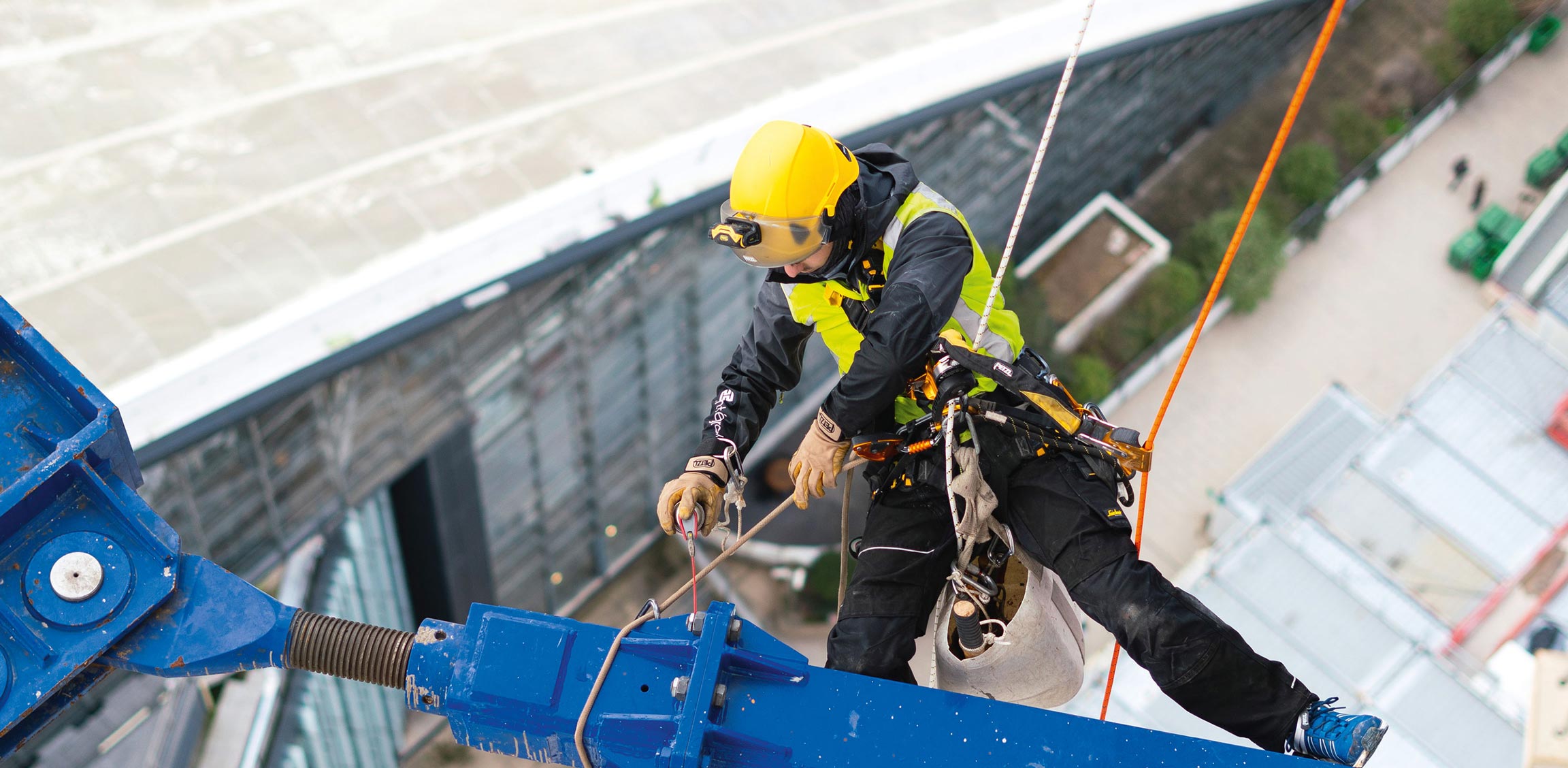

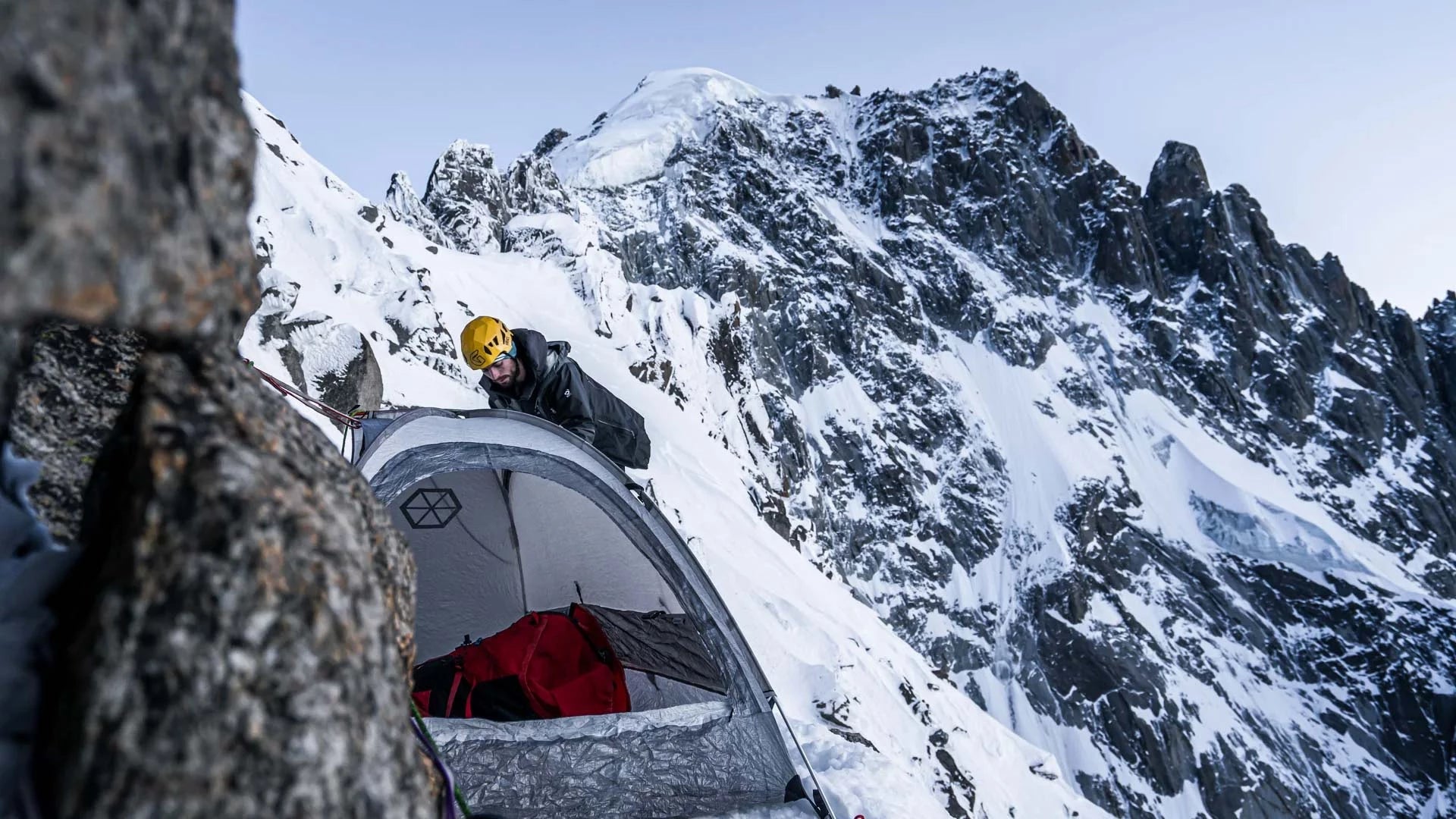


A rock climbing helmet is one of THE most essential pieces of protective gear for any climber, shielding the head from falling debris, unexpected impacts, and, most importantly, blows to the head in case of a fall. Over the years, helmet technology has evolved significantly, making helmets significantly lighter and more comfortable for all types of roped climbing—from trad and sport climbing to alpine and ice climbing. With modern advancements in materials and design, today's climbers can choose from a variety of helmets that balance weight, durability, and affordability while meeting strict safety standards.
2026 saw the release of a few new helmets and updates to many other models. We picked six of our favourites and compared them for you. We highly recommend you read our Helmet Buying Guide, a full in-depth breakdown of helmet plastics, foams, styles, and it will give you a greater underatnding of helmet design and evolution.
All modern climbing helmets must meet safety standards set by the UIAA (International Climbing and Mountaineering Federation) and EN (European Norm) certifications. Early climbing helmets were made of leather, offering minimal protection. In the 1950s, fibreglass and plastic hard hats began to replace leather, greatly improving head protection. The introduction of the iconic HB fibreglass helmet marked a significant advancement. Later, foam technology was incorporated into helmets, providing added impact absorption and further enhancing safety. This development led to lighter, more comfortable helmets that offered superior protection against falls and falling debris. Fast forward to today, and modern climbing helmets have evolved much further, combining advanced materials and cutting-edge design for maximum protection and comfort. In this review, we'll take a closer look at some of the top climbing helmets on the market today, highlighting their innovative features and performance.
"Brains are neat, so keep them sweet.”
Note: At Climb On Equipment, our expert team—climbers, athletes, guides, skiers, and mountain rescuers—carefully selects and independently reviews products to help you make informed decisions. Our reviews are not sponsored, so you'll always get our honest take—whether we love a feature or think it falls short.
Helmet Comparison
 |
 |
 |
 |
 |
 |
|
|---|---|---|---|---|---|---|
| Brand & Model | Blue Ice Blast Helmet | Petzl Meteor Helmet | Mammut Wall Rider 2.0 | Petzl Sirocco | CAMP Ikon | Black Diamond Capitan E |
| Price* (CAD) | $169.95 | $129.95 | $138.95 | $169.95 | $89.95 | $94.95 |
| Summary | The lightest helmet currently avalaible at only 145g that meets saftey standards for climbing. A great balance of lightness and comfort while still having the features you love. | A redesign of a classic, the Meteor helmet is a lightweight, low-profile all-season helmet with headlamp compatibility that combines EPS foam and a polycarbonate shell. | An ultralight helmet at an amazing price, featuring an ABS partial hardshell over EPS and EPP foam. Just enough fetures combined with just enough ventilation. | A premium ultralight climbing helmet designed for alpinists, sport climbers, and mountaineers who prioritize weight savings. It's a staff favourite if you like the look of side impact protection. | A modern, well-rounded climbing helmet that combines the durability of hardshell designs with the comfort and protection of in-mold construction. The Ikon balances weight, ventilation, and safety. | An ultra-durable helmet with enhanced side and back protection, a comfortable fit, and ample ventilation for all-day wear. Made with 30% recycled materials. |
| Weight | 145g (S/M) 155g (M/L) |
235g (S) 245g (L) |
200g - 2 sizes | 160g (S/M) 170g (M/L) |
280g (S/M) 295g (M/L) |
320g (S/M) 350g (M/L) |
| Pros |
|
|
|
|
|
|
| Cons |
|
|
|
|
|
|
| Certifications* | EN 12492 | EN 12492, UIAA 106 | EN 12492 | CE EN 12492, UIAA 106 | EN 12492, UIAA 106 | EN 12492 + proposed UIAA increased side back protection requirements |
| Materials & Construction | EPP main shell, EPS shock absorbing insert, Polycarbonate protective layer, Aramid penetration layer | EPP core (expanded polypropylene) with a full coverage polycarbonate shell | EPP (Expanded Polypropylene) core with a partial hard shell for maximum safety. | Expanded polypropylene (EPP) foam shell, with EPS (Expanded Polystyrene) & polycarbonate crown. | Molded inner structure combines EPP main structure with an EPS top and ABS shell. | EPP (Expanded Polypropylene) + EPS (Expanded Polystyrene) + 2-piece recycled and DuraPET shell combo. |
*CAD prices listed in this article are subject to change.
Detailed Overview
Below, we provide a more detailed insight into six of the top helmets on the market for 2026—the Blue Ice Blast, Petzl Meteor, Mammut Wall Rider 2.0, Petzl Sirocco, CAMP Ikon and the Black Diamond Capitan E—to help you determine the best option for your climbing needs. The technology and standards of helmets have come so far that purchasing any of these helmets would be mind-blowing for a 1990s climber. If you want to dive into the details, below is a breakdown for those gear geeks who love the nuances between amazing products.
Blue Ice Blast - The Lightest Climbing Helmet on the Market Today
The Blue Ice Blast is the lightest fully certified climbing helmet currently available, weighing in at 145g while still delivering impressive coverage and meeting modern testing requirements. Designed from the ground up for technical climbing, mountaineering, and fast-and-light objectives, it has a notably low-profile fit. We found it comfortable with a secure adjustment system, and nicely compatible with sunglasses, headlamps, gloves, and even thin toques.
Construction is a hybrid design with an EPP foam shell, an EPS shock-absorbing insert, a polycarbonate protective layer, and an aramid reinforcement layer for added penetration resistance. The result is a helmet that balances extremely low weight with surprisingly good all-around protection. Large vents keep airflow high for long, warmer summer climbing, while the slim silhouette avoids the oversized “mushroom head” look. We found the main tradeoff, as with all super lightweight helmets, is its inability to tolerate repeated abuse as well as a heavier ABS hardshell. Fit is also more head-shape dependent than traditional hardshell models, so trying one on first is ideal.

Petzl Meteor - The Benchmark for All-Round Climbing Helmets
The updated Petzl Meteor continues to be one of the benchmark lightweight climbing helmets on the market, combining low weight, excellent ventilation, and a very comfortable fit in a refined all-round package. The latest version keeps the slim, low-profile shape climbers already loved, while improving overall comfort, coverage, and usability for modern alpine, trad, sport, and even ski-touring objectives. Many climbers consider it the “sweet spot” between ultralight minimalist helmets and heavier hardshell models because it balances comfort, durability, and price exceptionally well.
Construction uses an in-mold design with an EPS foam liner fused to a full polycarbonate shell, helping keep weight low while improving durability over exposed foam helmets. The Meteor offers deeper side and rear coverage than many older lightweight helmets for increased protection. The biggest highlight, in our opinion, is how comfortable the Meteor feels for long days, and the fit range also works well for a broad variety of head shapes.
The main compromises are the approximate 100 extra grams over the lightest helmets available and less durability than a hard shell ABS helmet.
Mammut Wall Rider 2.0 - A Well Balnced Helmet for Longer Days
Petzl Sirocco - The Ultralight Leader for Fast and Light Climbers
The Petzl Sirocco is one of the lightest helmets on the market, designed for alpine climbers, fast-and-light mountaineers, and sport climbers who want minimal weight on their heads. At 160g (S/M) to 170g (M/L), it's almost half the weight of other helmets, making it ideal for long routes where every gram counts. The helmet is constructed primarily from EPP foam, which is known for its lightweight and impact-absorbing properties. Additionally, there is a section of EPS (Expanded Polystyrene) on top and then reinforced with a thin polycarbonate shell to improve resistance against falling debris.
While the Sirocco excels in weight savings, it does come with some trade-offs in durability and protection. Unlike hybrid-shell helmets, which have an outer ABS or polycarbonate shell for added toughness, the EPP foam of the Sirocco is exposed, making it more prone to dents and cosmetic damage over time. The Sirocco meets UIAA and EN 12492 safety standards, and also offers side impact protection to an internal Petzl standard of around 10kn.
Comfort is another area where the Sirocco shines. The helmet has excellent ventilation, with large vents that allow for maximum airflow. The adjustable harness and suspension system ensure a secure fit without pressure points, and the headlamp clips are a great addition for alpine starts or nighttime climbing. The Sirocco's buckle system has been updated to a simple buckle closure without the magnet system of the previous version, which makes one-handed connection quick and easy.
For climbers who focus on weight savings over durability, the Sirocco is an excellent choice. However, if you climb in environments where rockfall, frequent impacts, or long-term durability are concerns, you may want to consider a tougher helmet with a durable ABS shell.

CAMP Ikon - A Well-Ventilated, Durable All-Rounder
The CAMP Ikon is an excellent all-purpose helmet, designed for climbers who need a balance of protection, ventilation, and affordability. With a hybrid EPP and EPS foam construction, the Ikon provides a ABS durable shell that can withstand repeated use while still offering strong impact absorption. Unlike pure foam helmets that may dent easily over time, the rigid ABS shell ensures longevity, making it a great option for climbers who frequently encounter rough terrain, gear transportation, or occasional impacts.
One of the standout features of the CAMP Ikon is its ventilation system. With 18 strategically placed air vents, the helmet ensures maximum breathability, making it a strong choice for warm-weather climbs, high-output sport routes, and long approaches. This ventilation system keeps climbers cooler than many competitors, particularly compared to helmets with fewer or smaller vents. The Ikon components can be disassembled for cleaning or replacement,and to help manage the disposal of the components for recycling at the end of life
At 280g (S/M) to 295g (L/XL), the Ikon is not the lightest helmet on the market, but it still remains relatively lightweight for a durable hybrid helmet. The adjustable suspension system ensures a comfortable fit, and removable padding adds extra cushioning for extended climbs. Like most high-end climbing helmets, the Ikon includes secure headlamp clips, allowing climbers to easily attach a light for nighttime ascents or alpine starts.
The CAMP Ikon is best suited for general rock climbers, sport climbers, and those who want a helmet that balances protection, durability, and affordability. It may not be the lightest option, nor does it have MIPS but it serves as a reliable, well-ventilated, and budget-friendly all-around helmet for a variety of climbing disciplines.

Black Diamond Capitan E - Built for Maximum Durability and Protection with Recycled Components
The Black Diamond Capitan E is designed for climbers who prioritize durability and impact protection. Unlike ultralight helmets that focus on shaving off grams, the Capitan E provides full-coverage protection, including increased side and back impact absorption, making it a solid choice for trad, alpine, and ice climbers. It meets the UIAA's proposed standards for enhanced protection, setting it apart from many other models. Black Diamond achieves this by integrating EPS foam on the top for hard impacts and EPP foam on the sides for increased durability, all enclosed within a tough Recycled DuraPET outer shell.
Weighing 320g (S/M) to 355g (L/XL), the Capitan E is heavier than many ultralight helmets, but this added weight brings improved longevity and a lower price point. Many climbers find that lighter helmets get dented easily over time, while the Capitan E is built to withstand repeated use in rugged environments. (The “E” stands for environment) The 30% recycled material construction is a great step toward sustainability, offering an eco-friendly alternative without compromising strength. This is particularly beneficial for climbers who spend a lot of time outdoors and prefer environmentally conscious gear.
Ventilation is another strong point of the Capitan E. The strategically placed vents provide airflow, helping to keep your head cool on long approaches and warm-weather climbs. A low-profile suspension system ensures a snug fit, and removable, moisture-wicking padding adds comfort for extended wear. Combined with integrated headlamp clips, this helmet is well-equipped for pre-dawn starts, long multi-pitch routes, and alpine missions.
While the Capitan E is one of the most durable helmets in its class, it may not be the best choice for climbers who value ultralight performance. Compared to the Petzl Sirocco (160-170g) or Edelrid Salathe Lite (178g - 192g), it is almost twice as heavy. However, if durability, increased coverage, and long-term protection are your top priorities, this is one of the best all-around helmets available.

*Certifications
-
The EN 12492 standard specifies safety requirements and testing methods for climbing helmets, ensuring protection during mountaineering and climbing. It covers shock absorption (max force ≤10 kN), penetration resistance (prevents sharp objects from reaching the head), and chinstrap strength (minimum 50 kg strength, max 25 mm elongation). Helmets must also have secure retention systems and adequate ventilation. Testing includes impact absorption (dropping a striker on various helmet areas), penetration resistance (dropping a 3 kg conical striker from 1 meter), and chinstrap strength (evaluating durability under load).
-
The UIAA 106 standard, set by the International Climbing and Mountaineering Federation (UIAA), builds upon EN 12492 by incorporating additional testing for enhanced impact absorption and retention system performance. UIAA 106-certified helmets provide superior protection against falling objects and multi-angle impacts, meeting higher safety benchmarks than the EN standard alone.


Leave a comment