





North Face of Sky Pilot
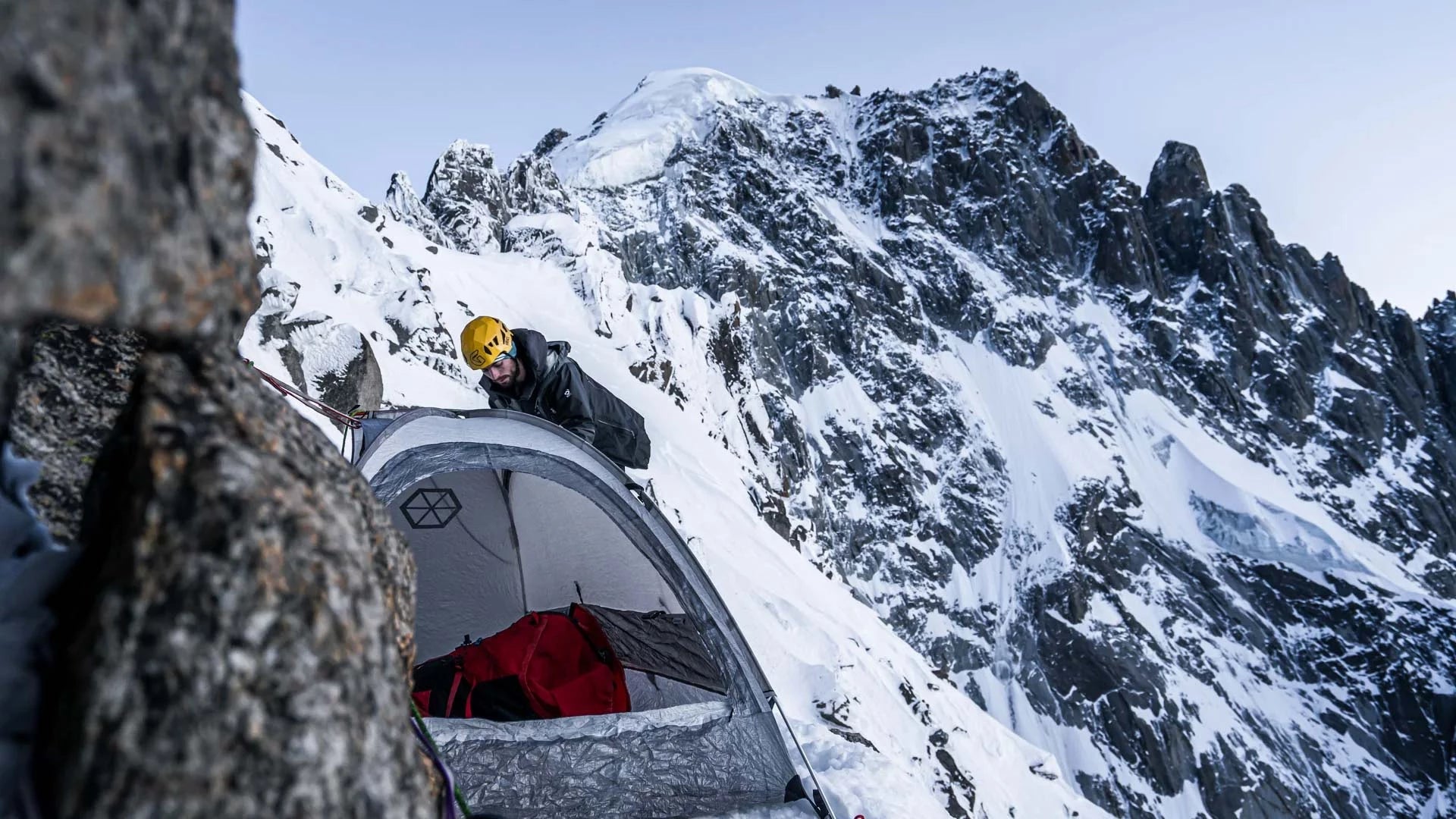
Rising above the Sea to Sky corridor like a snowy sentinel, the North Face of Sky Pilot offers an aesthetic alpine line, especially to those who enjoy ice and mixed climbing. This route forms almost yearly with good stretches of ice pouring over many of the features. While the approach is relatively short for an alpine objective the Gondola deadline shortens the day considerably so often teams camp at the base to start super early the following day.
The North face of Sky pilot offers a surprisingly big-mountain feel, within reach from civilization. This is not a technical testpiece, but rather an adventurous outing where conditions, commitment, and competence matter more than grades. It's an excellent objective for those looking to sharpen their mixed alpine skills in a real but accessible setting.
This face draws a growing number of winter climbers, particularly in extended cold periods of high pressure when the snow firms up. But don't be fooled by its modest WI3/M2 grade—snow quality is everything here. In poor conditions, what's normally a cruiser line can become a terrifying wallow through unconsolidated sugar snow or a slab-loaded hazard zone. Be avalanche savvy and confident in your ability to move efficiently through variable terrain.
The Route
Use discretion and judgement for your route/anchors as conditions will change.
P1 - WI3: Start up a steep, aesthetic curtain of ice that forms the first obstacle and arguably the technical crux. The curtain is short-lived, but often brittle or thin early in the season. Above the ice, the angle relents onto lower-angle snow slopes. Choose your belay carefully—snow quality is variable and you may need to dig for rock gear in the cliff band above.
P2 - Snow Traverse (Mixed Optional): Traverse up and right across snow and ice along a cliff band toward a large, obvious snowfield. In lean conditions, there may be a direct line of thin ice smears above the P1 belay—this option is more direct but a bit spicier. Continue up and right toward a clump of high trees that marks the belay.

P3 - Snow Field to Cave Belay: Climb a short step, then move leftward across a broad snowfield aiming for a cave feature on the left where a solid belay can be built. This pitch is typically straightforward but can involve deep snow or variable crust.
P4 - WI3 / M2: Exit the cave with some interesting moves—depending on the ice conditions, you'll either tackle a short rock step (M2-ish) on the left or find a thin line of ice to climb through. Both lines lead back to moderate snow slopes above.
P5 - Snow to Ridge (Simul Recommended): Climb up steep but generally manageable snow, which gradually gives way to easier ground. Depending on your team's speed and the snowpack, simul-climbing may be preferable here to avoid excessive belay-building in poor snow. The pitch ends where the North Ridge meets the face—an exciting moment with the summit in sight. Follow the classic North Ridge (low 5th) to the summit.

The Descent
There is no fixed gear on this line, and natural anchors are limited. Bailing after P1 via V-threads is the only reasonable retreat. Above that, it's often easier and safer to keep going up. Descend via the West Ridge, which can be tricky in winter. Rappel anchors exist but may be buried in snow, and route-finding becomes especially difficult in whiteout or darkness. Familiarity with the West Ridge in winter is highly recommended before committing to the North Face.
Rack
In addition to your regular alpine kit, you'll need:
- 8 ice screws (include stubbies)
- Single rack of Camalots to #3, with doubles in the finger sizes if you want to protect P1 rock
- A selection of nuts
- 6 pitons (mix of knife blades, angles, and maybe a warthog for frozen turf or thin cracks)
- V-thread kit(s)
Conditions, Timing, and Cautions
The North Face is typically best after multiple freeze-thaw cycles and a prolonged period of high pressure. Early-season ascents can involve thin ice and more mixed climbing, while mid-winter attempts may suffer from deep snow or high avalanche risk.
Check weather and avalanche bulletins carefully. The upper face has real overhead hazard, and a slip in the wrong spot could have serious consequences. On lean years or during storms, the route becomes far less enjoyable and much more serious.
Final Thoughts
The North Face of Sky Pilot is a gem of Sea-to-Sky alpine climbing: easily accessible yet committing, moderate in grade yet condition-dependent, and surrounded by breathtaking scenery. It rewards those who move efficiently and make smart decisions. Like many classic alpine routes, success comes not from pulling hard, but from thinking clearly.


Leave a comment