



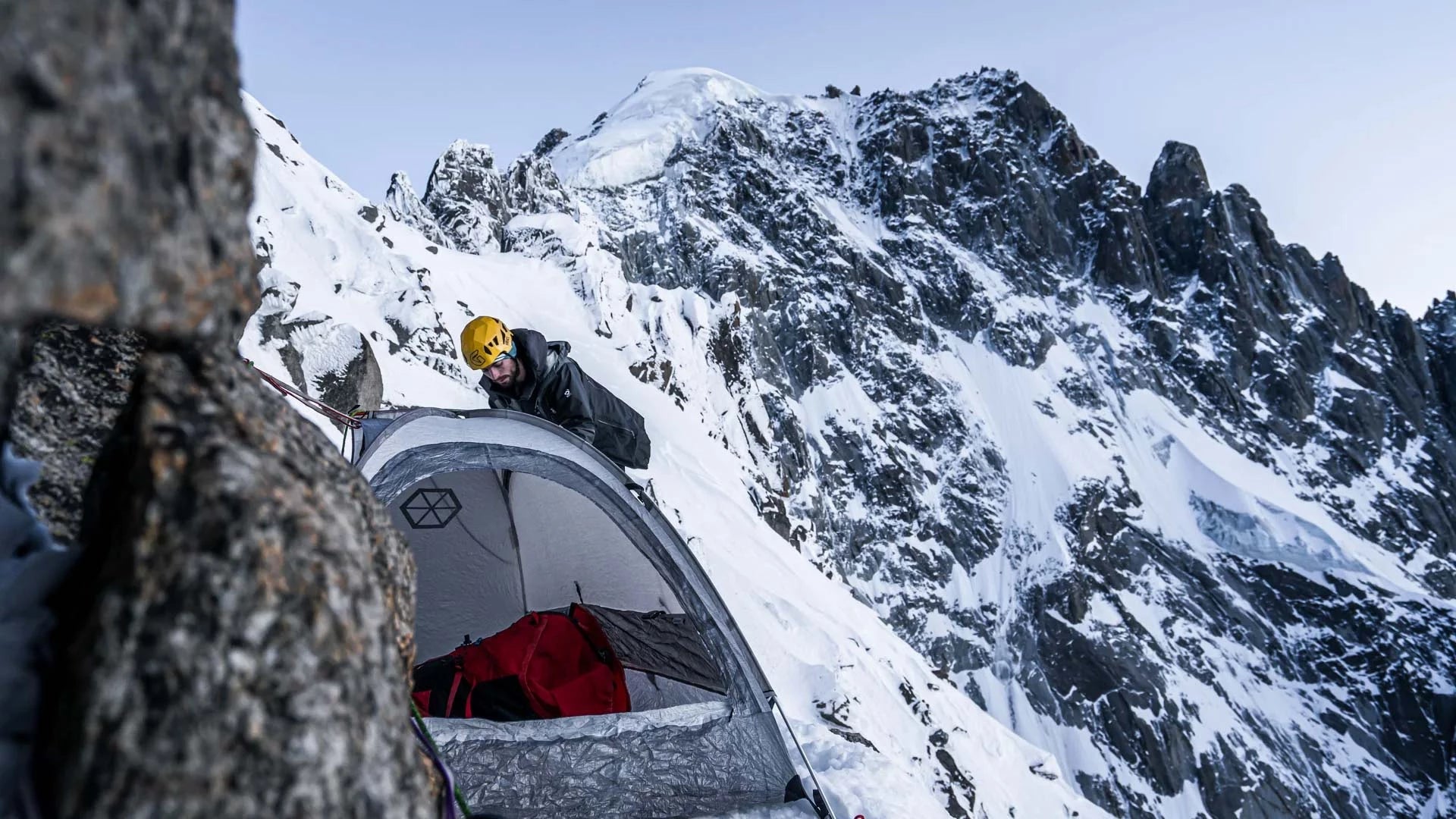


Finding climbable ice on the British Columbia coast is a practice in patience, observation, and timing. Unlike the reliable cold of the Rockies, coastal ice comes and goes with shifting weather. This post grew out of a recent workshop at Climb On Equipment, where we shared years of know-how as we hunt ice on the coast. By combining modern tools, community knowledge, and a healthy respect for whatever the weather decides to offer, we can somewhat safely and reliably predict ice quality and make educated guesses at where and when to go. Remember, sometimes you just have to go for a look and be prepared for a long drive and sometimes find the frozen gold at the rainbow.
⸻
Where to Go
The heart of West Coast ice lies in the corridor between Squamish and Lillooet. Lillooet forms the core of this region. It sits in a deep rain shadow that allows cold air to settle and persist while coastal systems bring intermittent moisture. When temperatures drop, this combination creates the recipe that makes the Lillooet area one of the most reliable ice destinations on the coast.
With no current guidebook available (as of fall 2025), climbers rely on a patchwork of community resources. The good news is that the community is open and generous, and there is a surprising amount of information available if you know where to look.

Essential Research Resources
• The old guidebook. Don Serls’ West Coast Ice (2005) is out of print but still contains relevant beta. You can’t buy it anymore, though many climbers are willing to let others flip through their well-loved copies and even take a quick photo of a few key pages.
• Facebook groups. Most local climbers share beta in one or both of the two active groups: West Coast Ice and SWBC Ice Climbers. Once the season is underway, these groups are the best way to see what has been climbed and what kind of conditions people are finding.
• New Ice Climbs in SW BC PDF. This free 50-page document by Drew Brayshaw (2019) includes many routes not found in Serls’ guide. It’s available under the Files tab in the West Coast Ice Facebook group.
• GPS KMZ file. Another valuable contribution from Drew Brayshaw. The West Coast Ice Climbs KMZ file can also be found under the Files tab in the West Coast Ice group. Load it into Google Earth, Gaia, CalTopo, or any GPS app to display pins for many routes across the region.
• West Coast Ice blog. Before Facebook groups, the West Coast Ice blog run by Aidan Burke was the place to check conditions. Although no longer updated, it remains a gold mine of photos and notes on routes throughout the corridor.
We may not have a glossy guidebook or a polished app, but by piecing together the resources above you can build a surprisingly detailed picture of where the routes are and how to research each one.
⸻
When to Go
Timing is everything on the coast. You can’t simply look at the calendar and assume ice will be in. Instead, it’s about learning to read patterns. This is especially true for low-elevation zones from Squamish through Pemberton.

• Weather apps and sites. Tools like SpotWX, Meteoblue, and Windy allow you to place a forecast pin precisely where you intend to climb. Always ensure you are selecting the correct elevation, as this makes a major difference. All three of these tools draw from the same core weather models, and advanced users can view raw model data and multi-model comparisons.
• Avalanche Canada. Many ice climbs sit in or below avalanche terrain, and many more sit in natural terrain traps. Avalanche Canada’s forecast and MIN (Mountain Information Network) reports are essential resources. MIN reports submitted by other recreators often include observations about snow stability, temperature, and ice conditions. While navigating their interactive map, you can also click on various weather stations and view the raw data. The Mountain Weather Forecast and the Forecasters’ Blog on the Avalanche Canada site are also extremely helpful for understanding broader weather trends.
• Local webcams. DriveBC webcams along the Duffey Lake corridor offer a live look at snow coverage and temperatures. Comparing webcam images with temperature data from nearby towns such as Pemberton and Lillooet helps build a sense of when climbs are forming or melting.
• BC Hydro dam temperatures. The Bridge River and Downton Lake hydro stations record air temperature, which can be a useful data point if you’re heading to the Bridge River area.
⸻
The Art, Not the Chase
Coastal ice isn’t about chasing perfection. It’s about understanding how weather, geography, and timing weave together to create windows of opportunity. With a bit of observation and patience, you can often predict when those windows will open.

The next time a cold front moves through, check the maps, watch the temperatures, and connect with others in the community. Ice hunting is more rewarding when shared, whether that means swapping beta online or stopping by the shop to compare notes.
We’re always happy to talk conditions, gear, or trip planning. If you have questions or want to share what you’ve found, drop by Climb On. The season may be short, but the stories tend to last a long time.
⸻
Ice Check List
- GPS coordinates (approach and route)
- Guidebook route description
- Trip reports
- Compiled photos (approach, pitches, etc)
- Weather reports (past and day of)
- Freezing level and route elevation
- Road and driving conditions
- Parking location
- Ask the community
- Sunrise and sunset
- Gear, apparel, food, supplies


Leave a comment