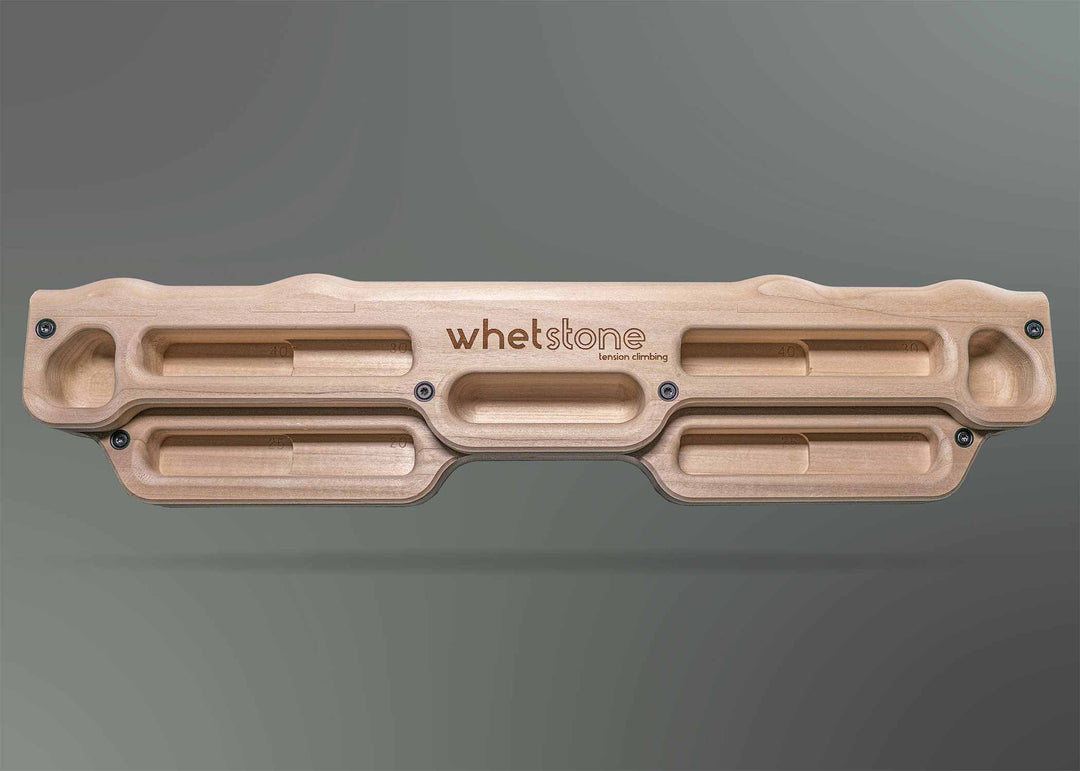
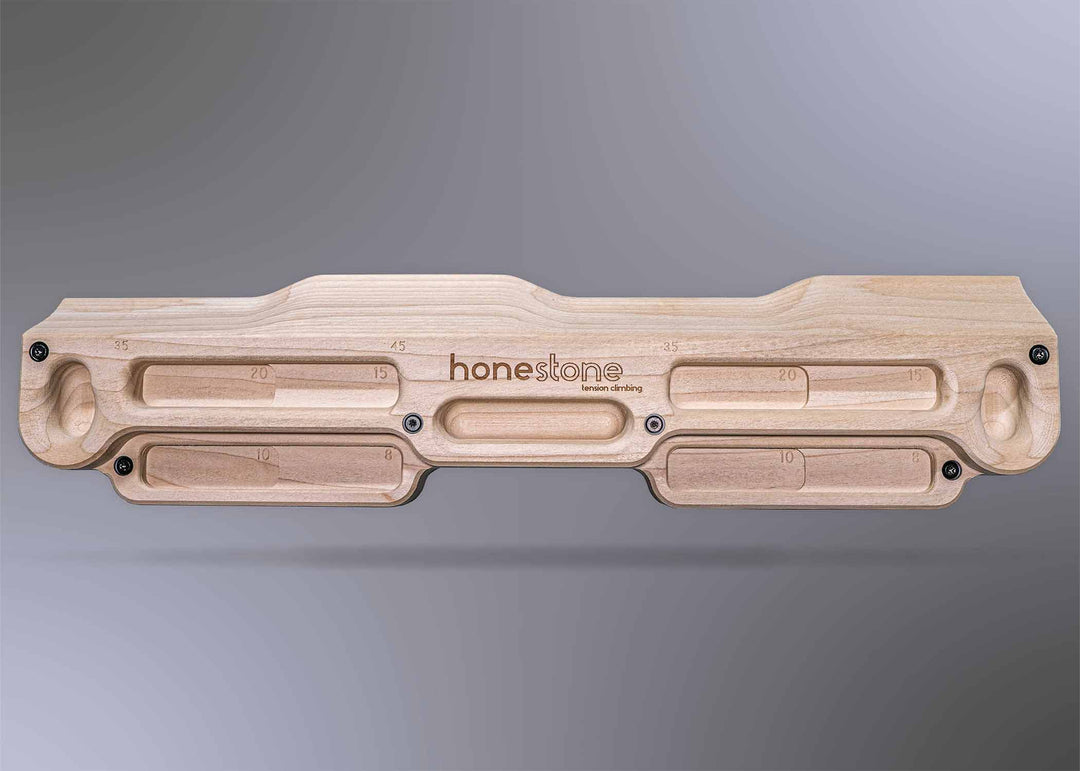
Hangboards, also known as fingerboards, are essential training tools for climbers to improve finger strength and grip endurance. There are various types of hangboards available, each designed with specific features and training goals in mind. Here are some of the different types of climbing hangboards:
Basic Hangboards:
Design: Basic hangboards typically feature a series of horizontal and sloping holds, ranging from large jugs to small edges and pockets.
Intended Use: These hangboards are suitable for climbers of all levels and can be used for a wide range of finger strength exercises, including deadhangs, pull-ups, and lock-offs.
Advanced Hangboards:
Design: Advanced hangboards are designed with a focus on smaller, more challenging holds, including tiny crimps, slopers, and pockets. They may also have varying hold depths and angles.
Intended Use: These hangboards are suitable for experienced climbers seeking to develop finger strength for more challenging routes and boulder problems. They are often used for specific finger-training exercises.
Portable Hangboards:
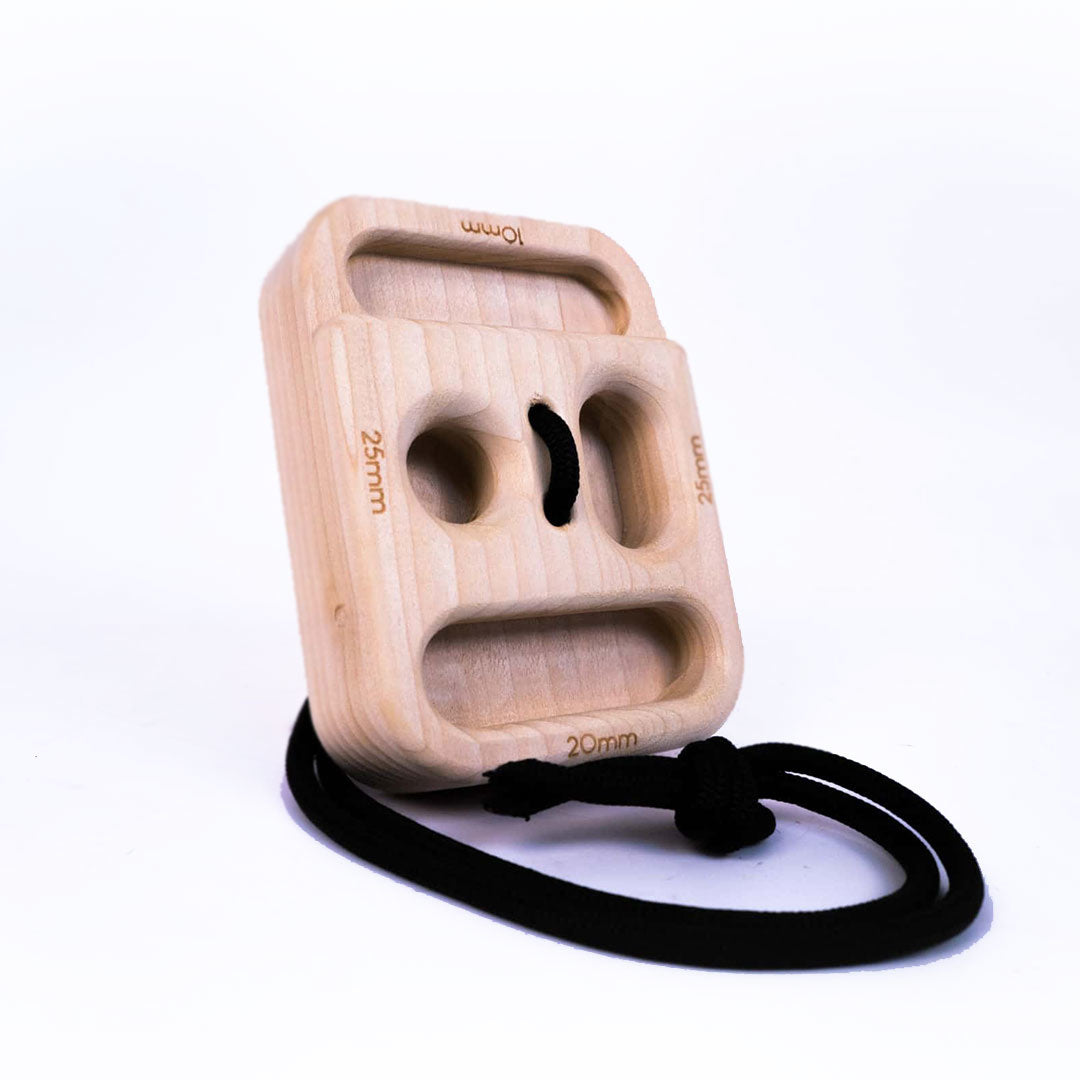
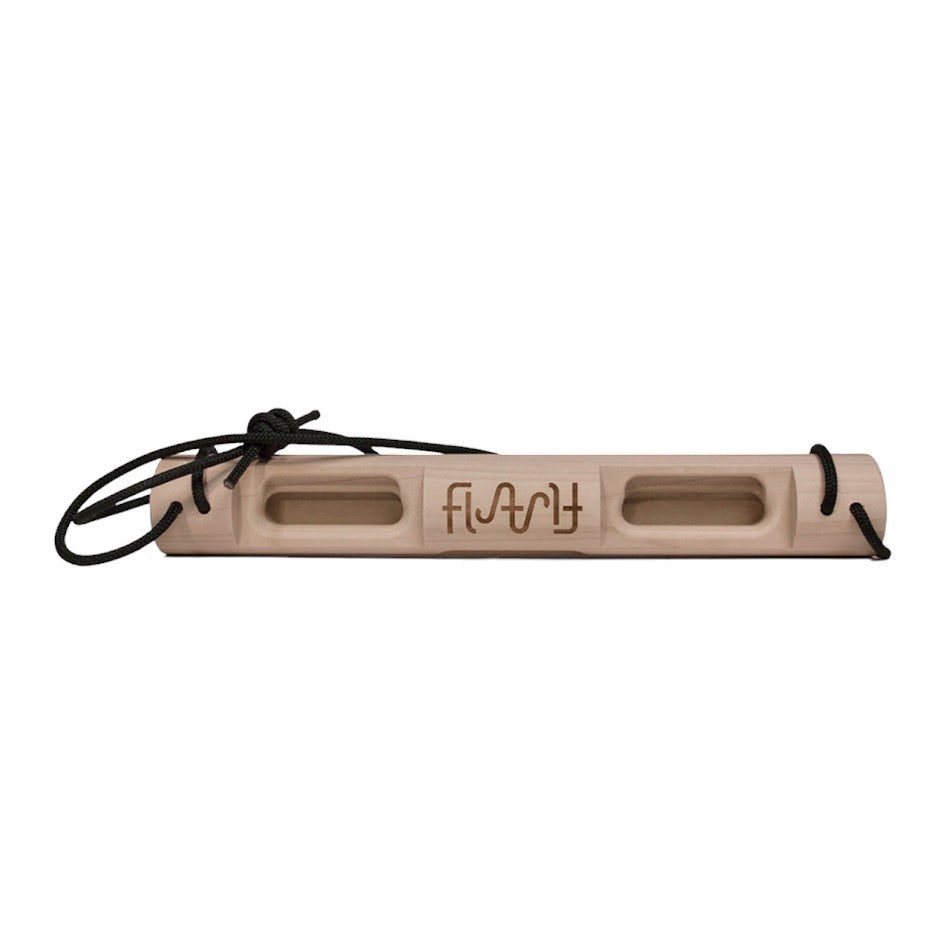
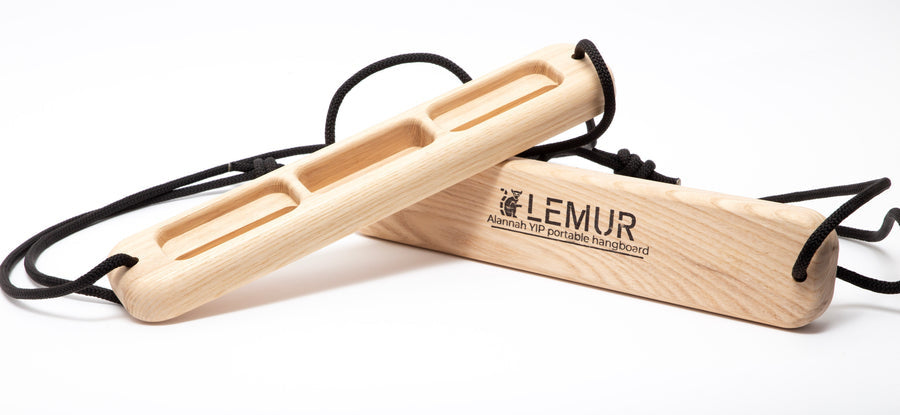
Design: Portable hangboards are compact and designed for easy transport, making them suitable for climbers who want to train while travelling or at the crag.
Intended Use: These hangboards are ideal for those who want to maintain their finger strength, warm up and climb-specific workouts while on a trip.
Wooden Hangboards:
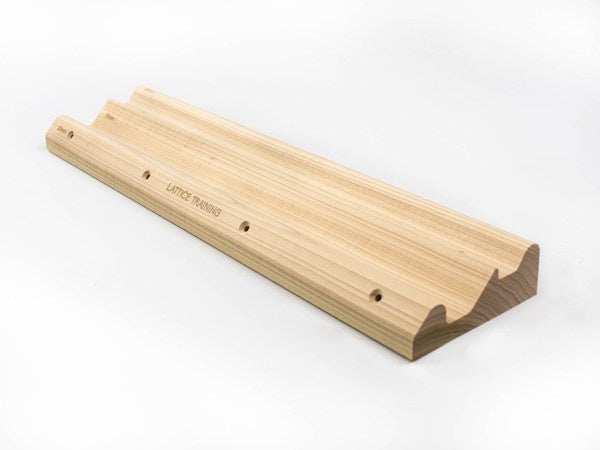
Design: Wooden hangboards have a more comfortable and skin-friendly texture compared to synthetic materials. They often feature a variety of holds and are aesthetically pleasing.
Intended Use: Wooden hangboards are suitable for climbers who prioritize comfort and grip texture. They are versatile and can be used for various training exercises.
Custom Hangboards:
Design: Custom hangboards are typically designed by climbers or companies specializing in unique hangboard features. They may include specific holds, angles, and features tailored to an individual's training goals.
Intended Use: These hangboards are suitable for climbers with specific training needs who want a customized setup to target particular weaknesses.
Hangboards with Apps/Guides:
Design: Some hangboards come with companion smartphone apps or training guides that provide structured workouts and exercises, making it easier for climbers to track progress and plan training routines.
Intended Use: Suitable for climbers who want guidance and structure in their training, especially for finger strength and grip endurance improvement.
When choosing a hangboard, consider your climbing level, training goals, and available space. It's important to use proper hangboarding techniques to prevent injury, and beginners should seek guidance from experienced climbers or coaches to ensure they start with appropriate exercises and intensity. Additionally, always warm up properly before hangboard training and follow recommended protocols for rest and recovery.